01 / THE IDEA
American memory,
redrawn.
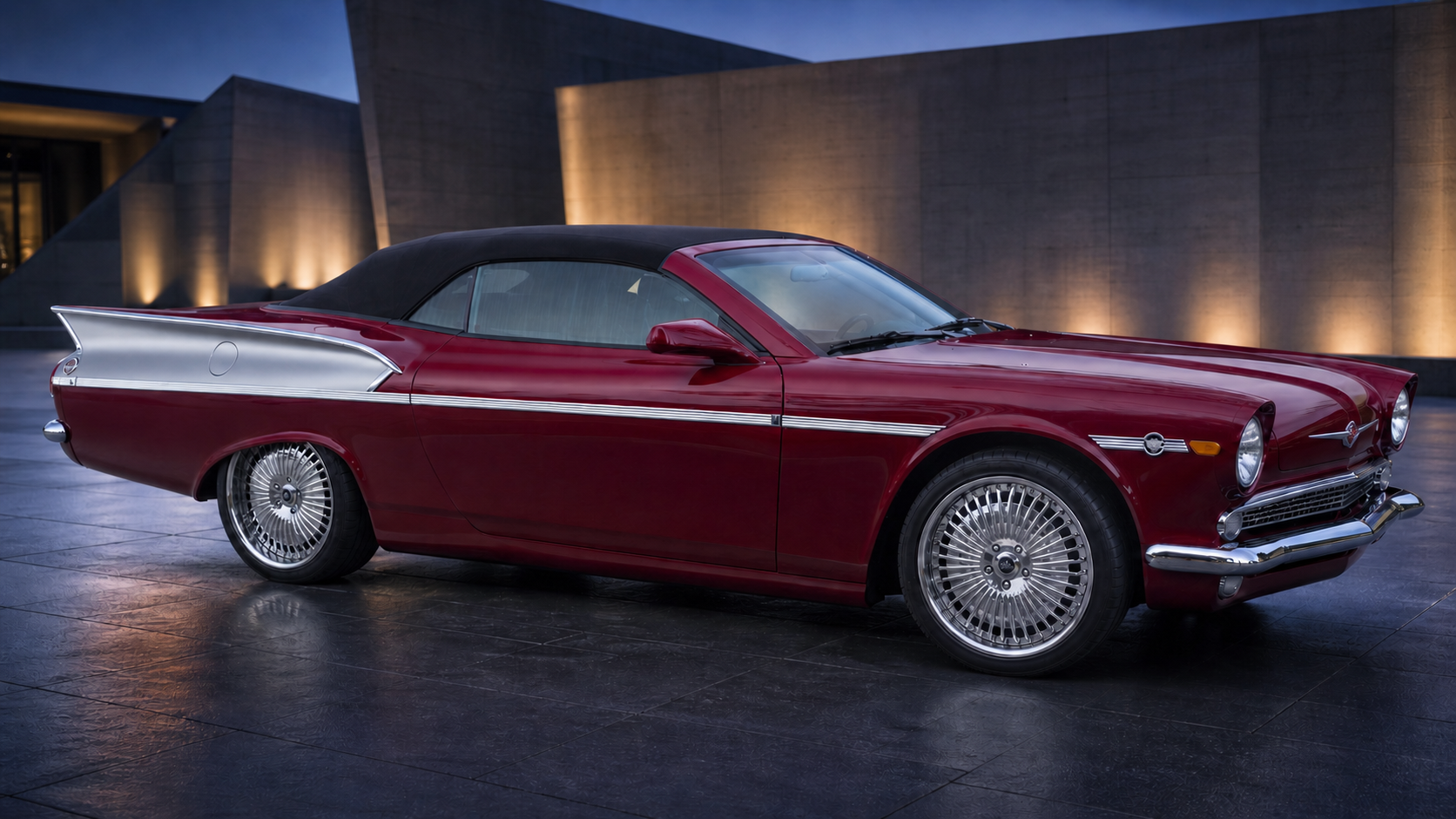
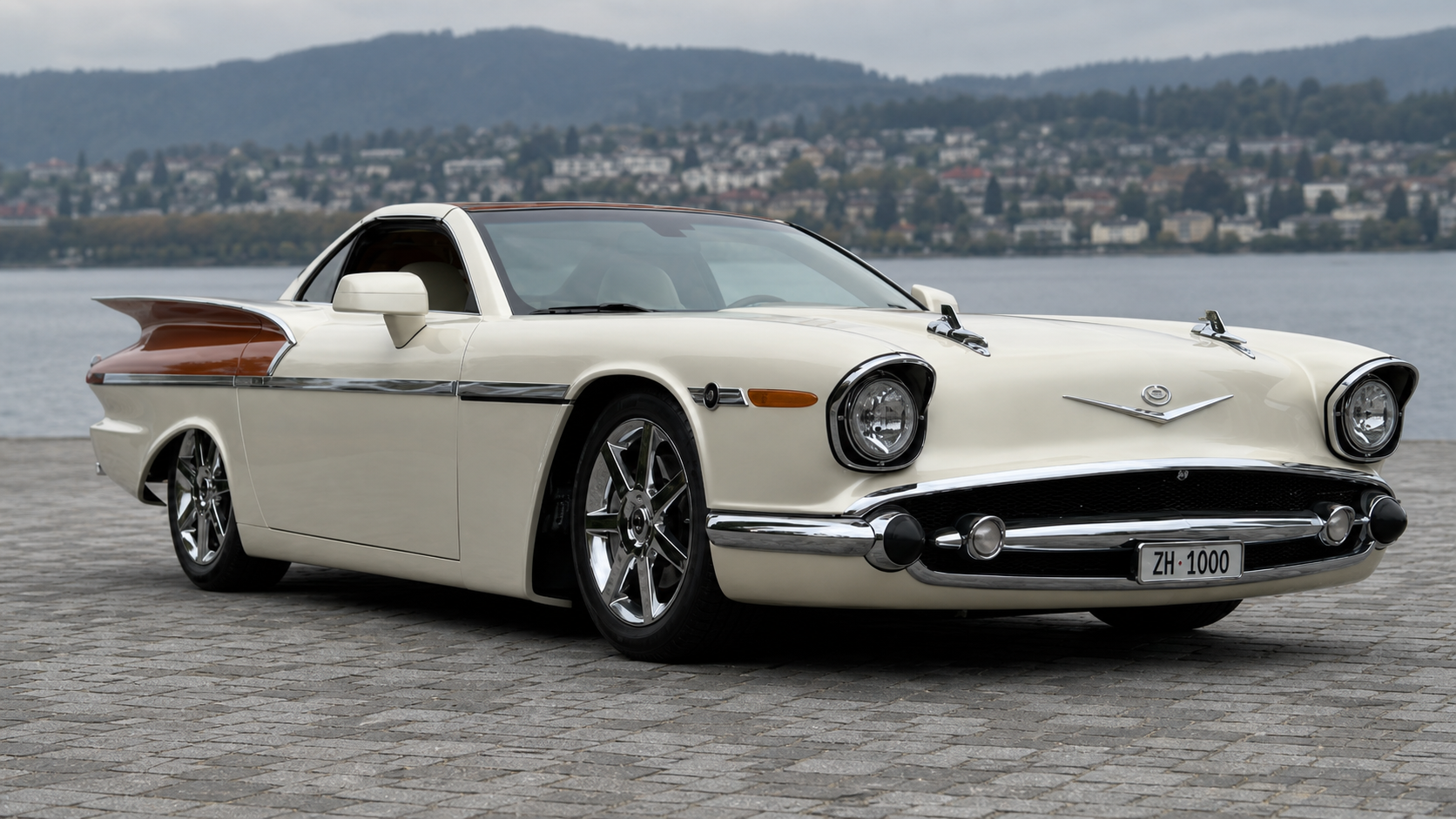
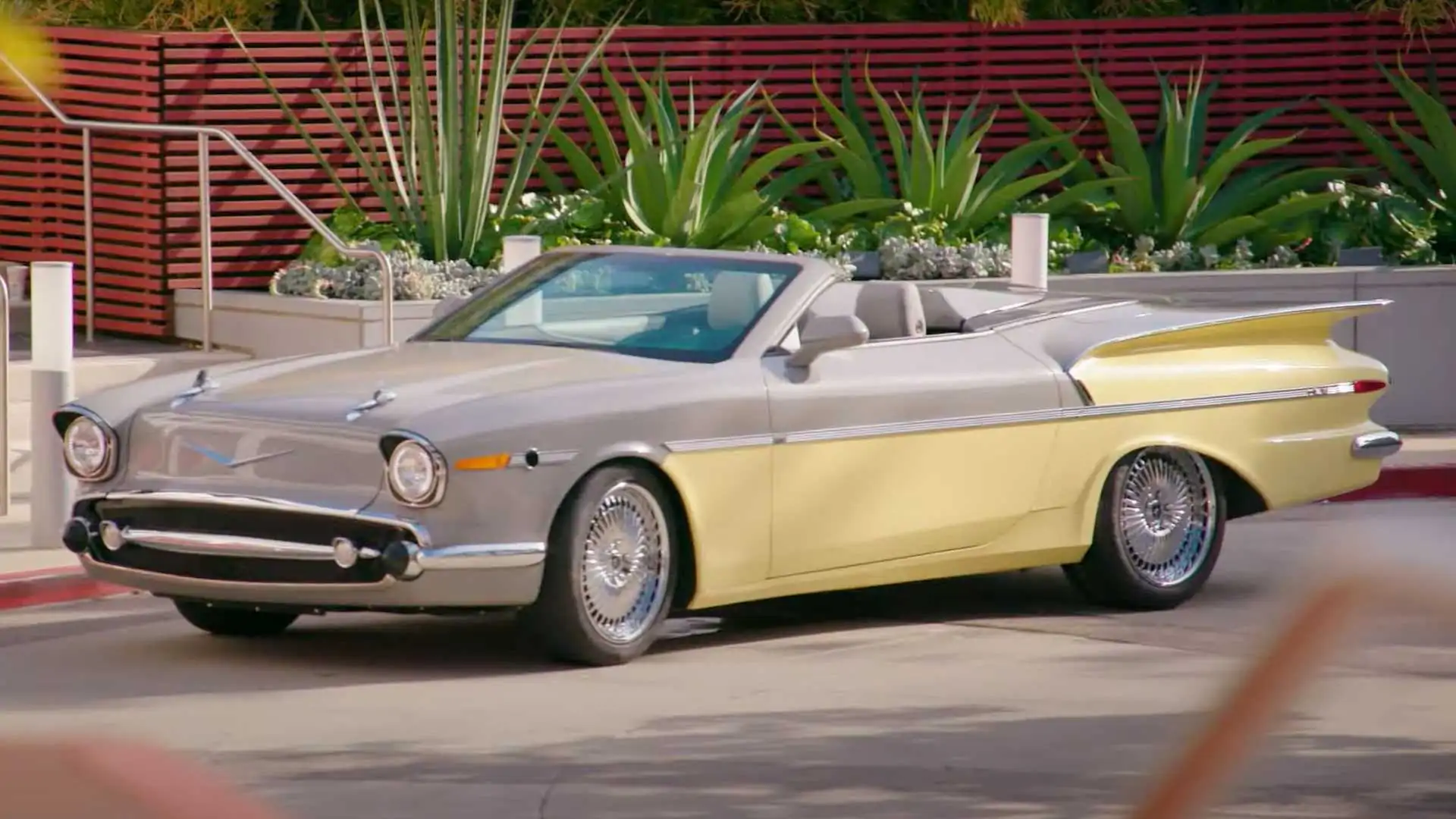
A ’57 face. A ’58 middle. The wings of a ’59. Under Gene Langmesser’s program and engineering leadership, three American icons became one modern coachbuilt car.
DESIGNER · ENGINEER · MASTER BUILDER
Built by the legendary
Gene Langmesser.
MINORITY REPORT LEXUS 2054 · BATMAN & ROBIN BATMOBILE · TAXI TRANSFORMING CABS · N2A ANTEROS
THE 789 COLLECTION
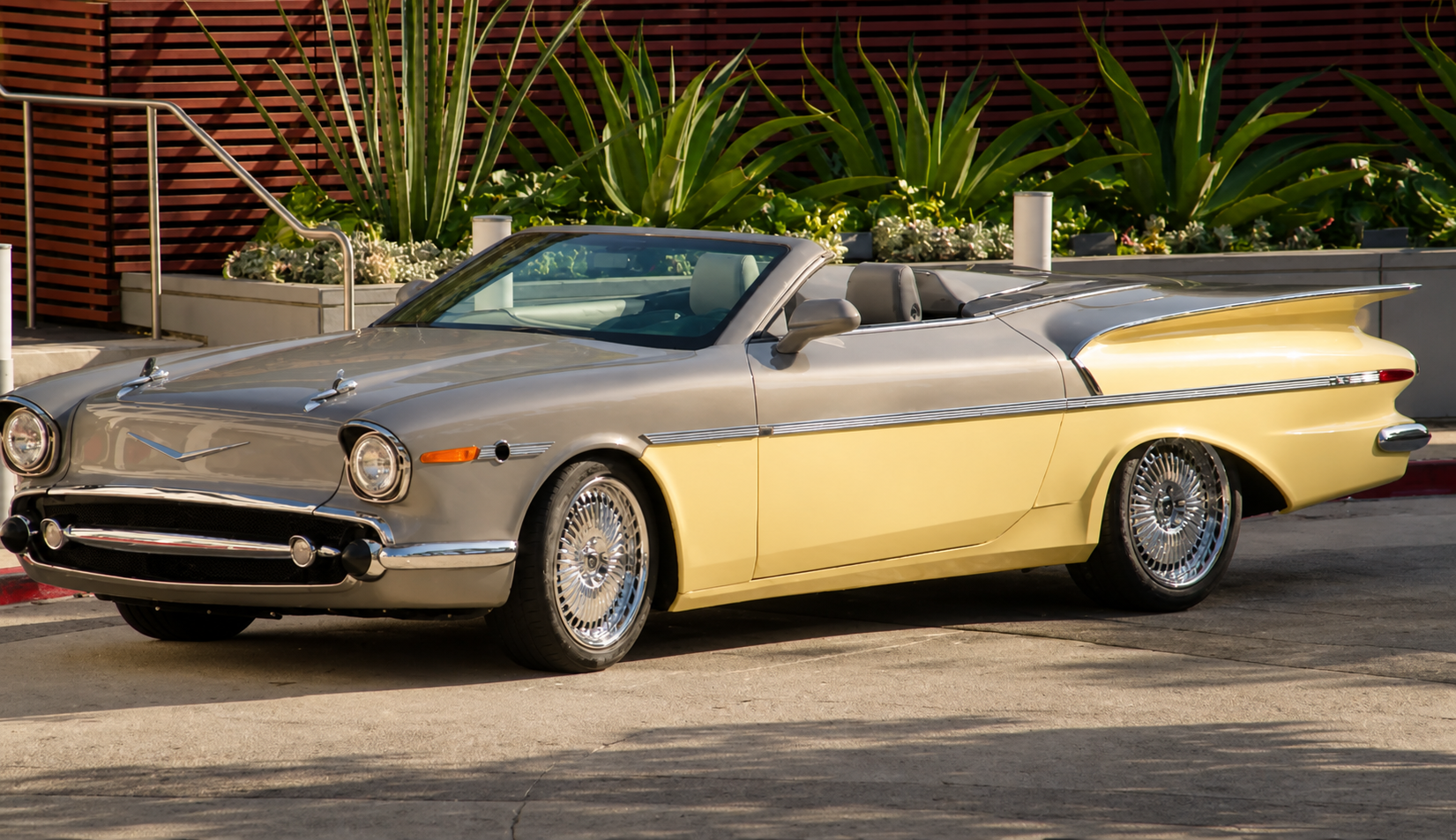
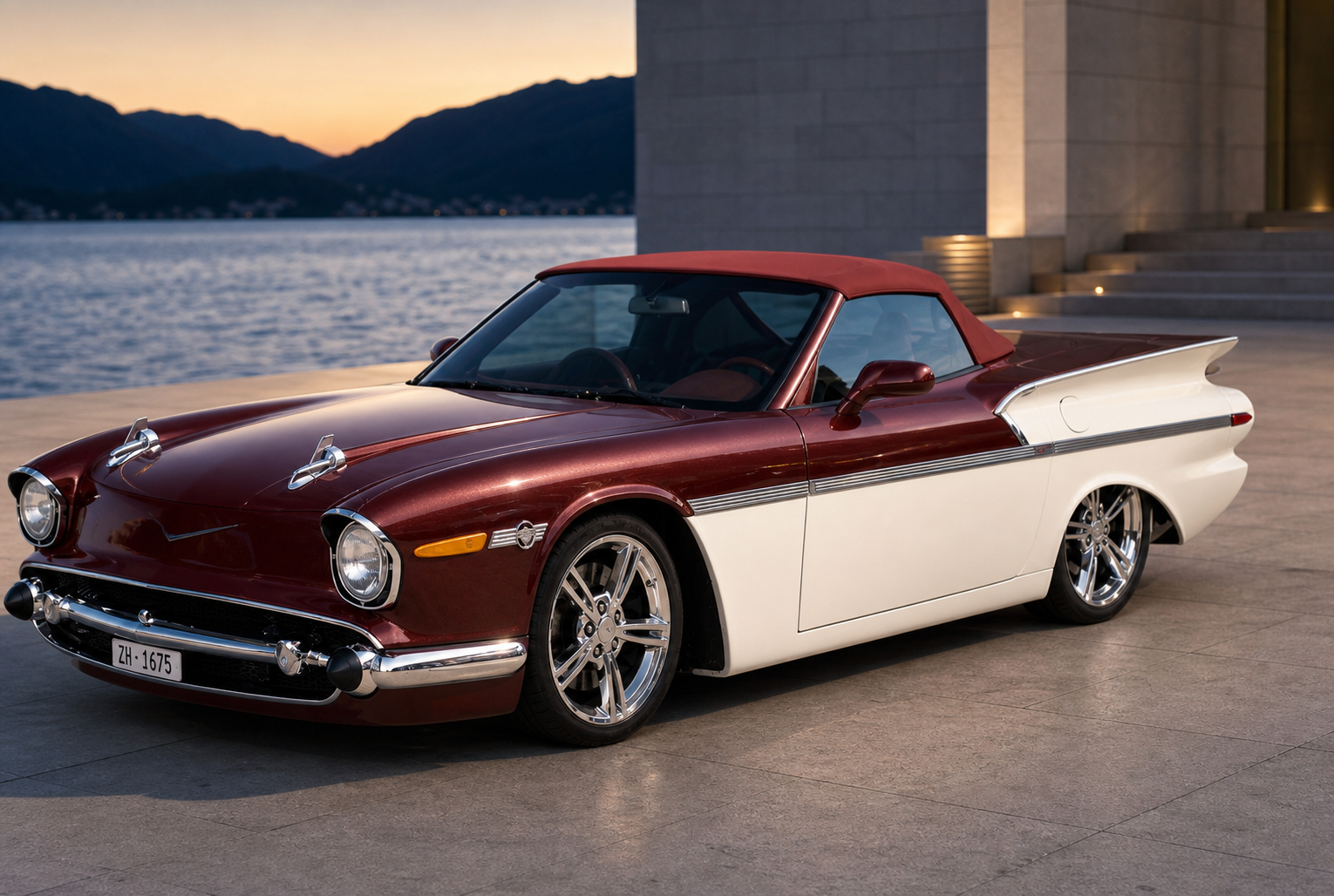
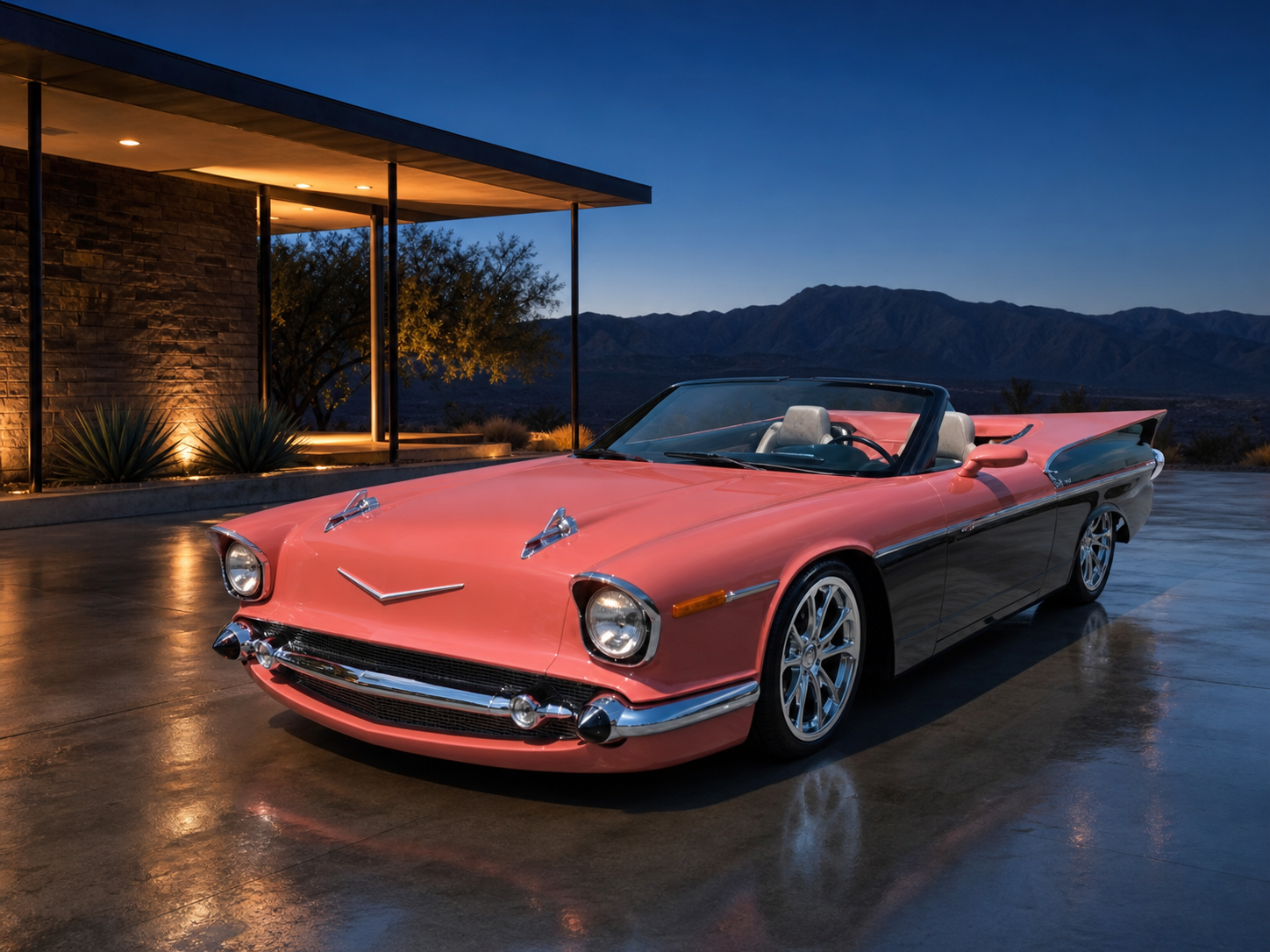
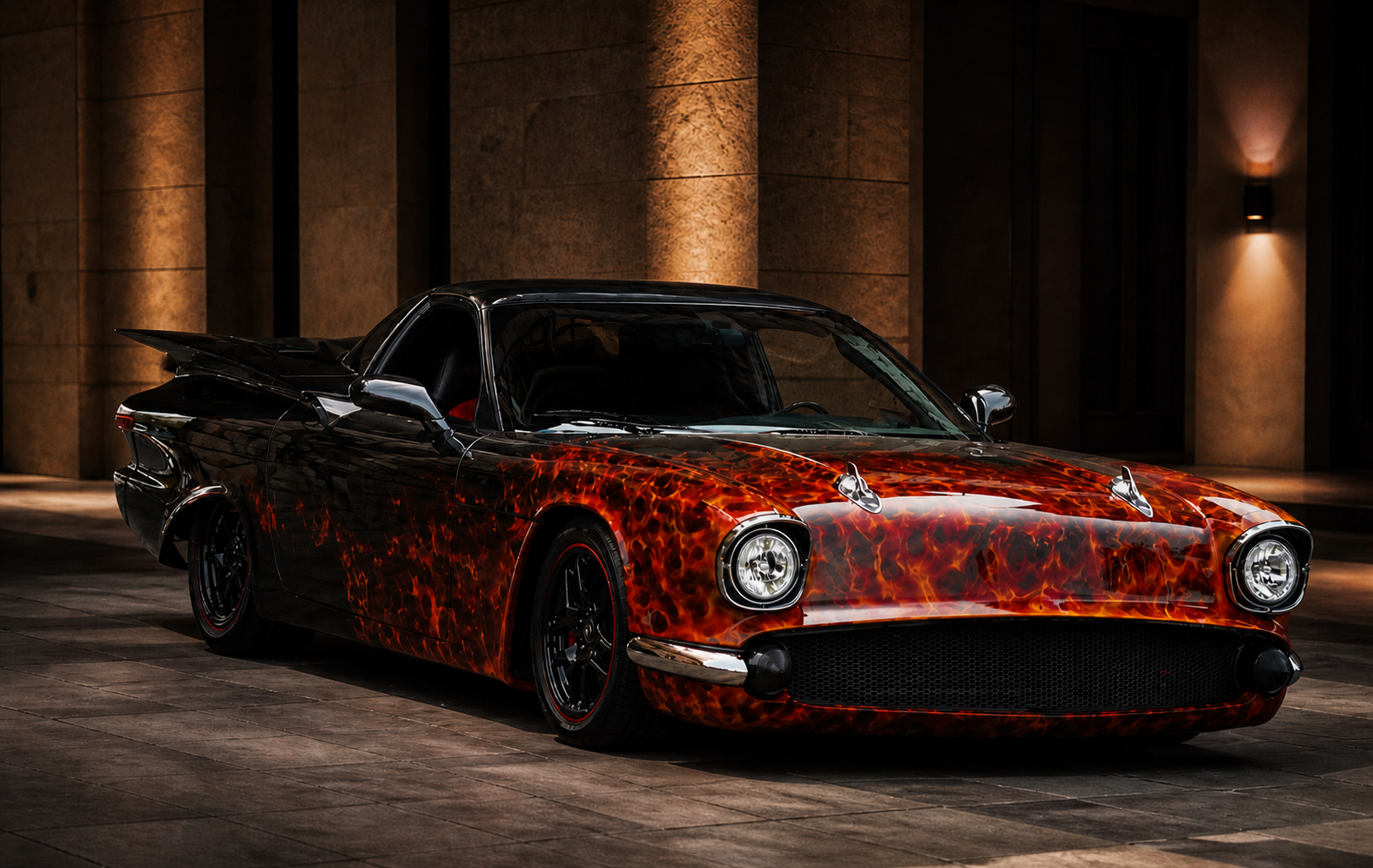
Color was never an afterthought. Every commission gave the 789 a different personality, proving the promise behind N2A Motors: No Two Alike.


Archival imagery: Motor Authority · Coroflot · Motor1 · VistaPointe · Automotive Heritage · Mr.choppers, Wikimedia Commons · Sunday Drive. Every image labeled “Actual Vehicle” depicts a documented real car, not a rendering. Enhanced photographs preserve the supplied vehicle as the subject while artistically rebuilding its photographic presentation.
THE BUILDER BEHIND THE IMPOSSIBLE
Gene Langmesser built his reputation in the hard space between imagination and reality, leading the engineering, prototyping, and fabrication work that turns a designer’s vision into a full-scale machine.
His career helped bring to life the Lexus 2054 driven by Tom Cruise in Minority Report, the Batman & Robin Batmobile driven by George Clooney, the transforming taxi driven by Queen Latifah in Taxi, Terminator bodies seen with Arnold Schwarzenegger in Terminator 3, and fighter ships for Battlestar Galactica. The 789 is Gene’s own road-going statement from that same world-class tradition.
Film and production references: Lexus · DC · Apple TV · Published Gene Langmesser profile
THE 789 / FEATURED STAR
The 789’s cinematic presence delivered on the promise of coachbuilding at this scale: familiar enough to stir a memory, strange enough to stop the scene.
WATCH ON YOUTUBE ↗01 / THE IDEA
A ’57 face. A ’58 middle. The wings of a ’59. Under Gene Langmesser’s program and engineering leadership, three American icons became one modern coachbuilt car.
02 / ANATOMY OF AN ICON
1957 + 1958 + 1959
THE FORMULA
Hooded headlamps, chrome grille bar, and the unmistakable confidence of the Bel Air.
A long, dramatic body section and tri-tone cabin language inspired by Chevrolet’s one-year-only forms.
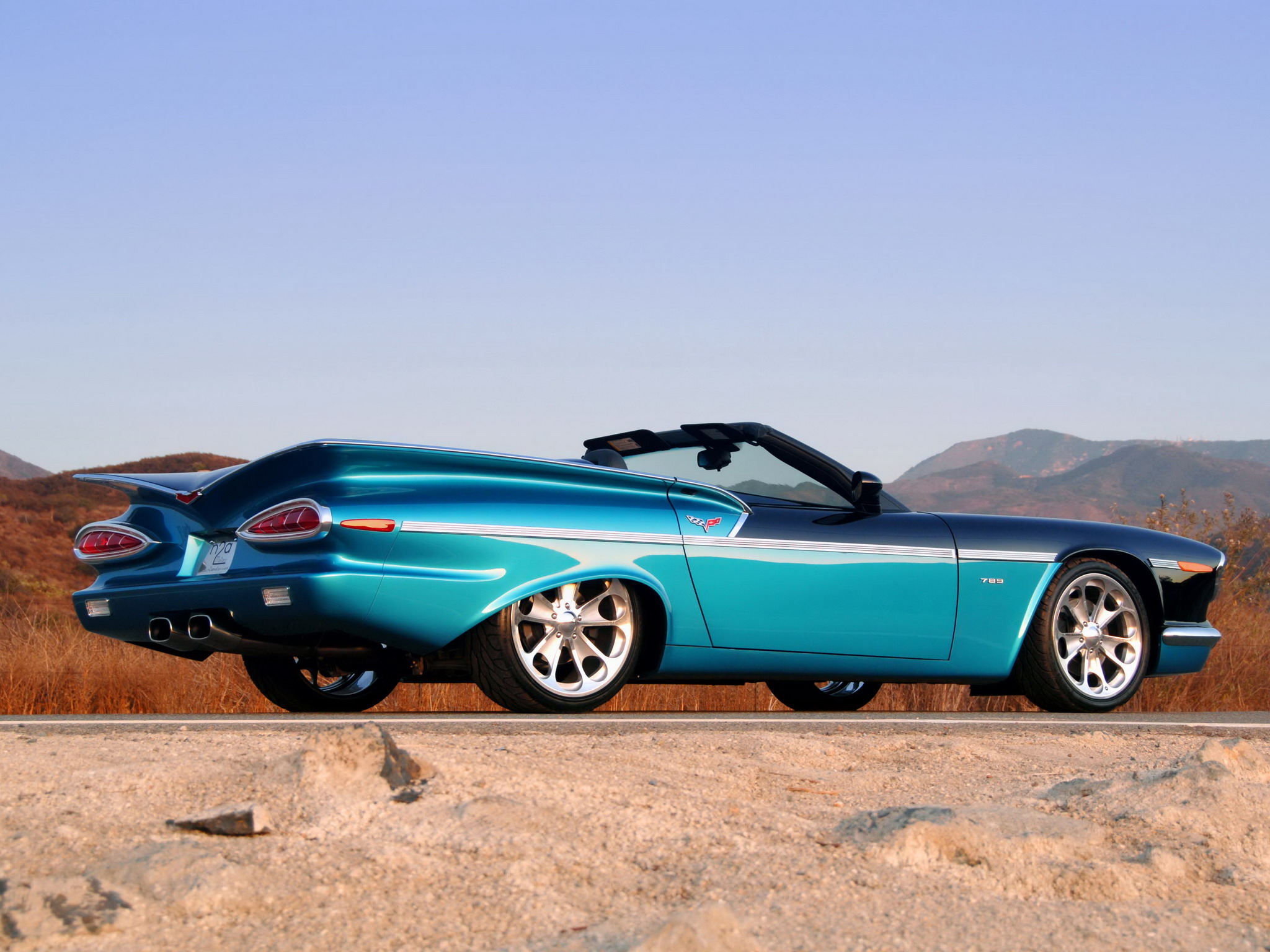
The airborne rear profile and horizontal fins that made the Impala an American design landmark.

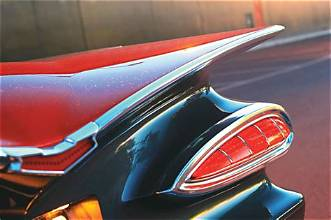
The sharp upper fin, sweeping chrome, and glowing taillight turn the 1959 reference into one of the 789’s most dramatic details.
The company name was the promise: every 789 would be its own car, built to express its owner rather than duplicate another.
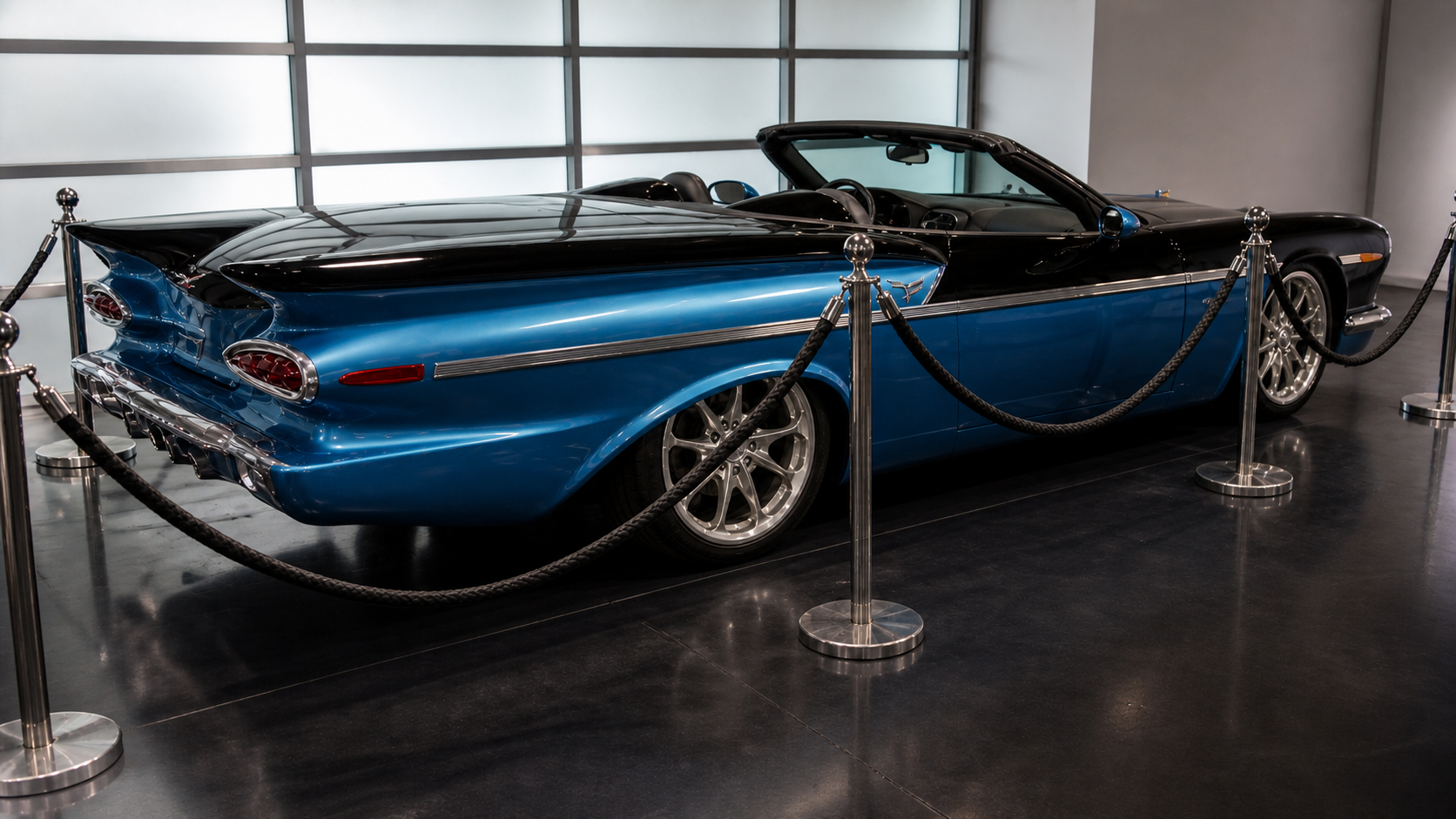
PEWTER & BUTTERCUP · BUILT ON A GEN 6 CAMARO CONVERTIBLE · ARCHIVAL N2A MOTORS PROMOTIONAL IMAGETHE MEANING OF N2A
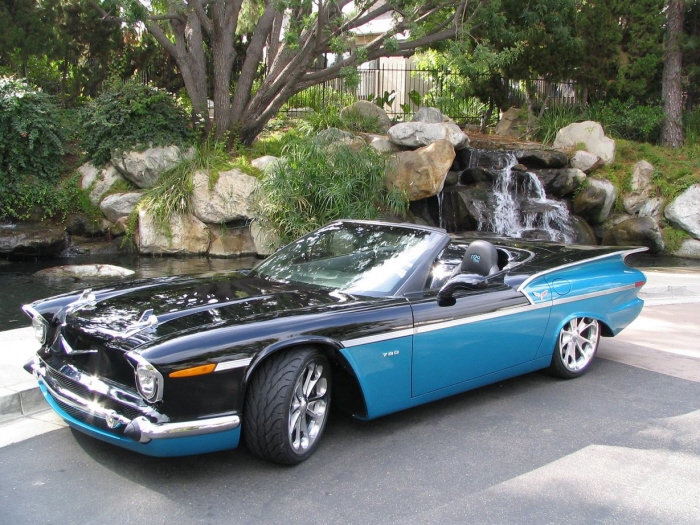
N2A Motors was short for “No Two Alike.” It was more than a company name, it was Gene Langmesser’s coachbuilding philosophy.
Each 789 began with the same unforgettable three-year silhouette, then became an individual commission through its combination of body color, graphics, interior materials, trim, wheels, powertrain, and personal details. One design connected them. No two cars were meant to be identical.
When the program ended, all production molds were destroyed to ensure the 789 could never be reproduced. The cars that exist today are the complete and final population of Gene’s signature machine.
The molds are gone. There will never be another 789.
03 / ART TO PART
THE LANGMESSER METHOD
Gene’s rare gift is carrying an idea through every discipline required to make it move: packaging, clay, scanning, tooling, composites, fit, finish, integration, and testing.
Terrence Robinson’s exterior concept rendering established the emotional center: three famous Chevrolets flowing as one.
Structure, occupants, glass, suspension, drivetrain, electronics, and serviceability had to coexist beneath an entirely new body.
Full-scale clay and digital scanning translated the drawing into surfaces the eye and hand could judge.
Masters, molds, fixtures, and composite schedules converted the approved form into repeatable panels.
Carbon-composite bodywork, lighting, trim, paint, cabin, and thousands of integration decisions completed the machine.
04 / THE FAMILY
ONE IDEA · MULTIPLE ARCHITECTURES
The 7-8-9 was not a single frozen object. It was a coachbuilding program adapted across modern American performance platforms.
ACTUAL VEHICLE · ENHANCED PHOTOGRAPHTHE ONLY C5 · THE ONLY COUPE · PROTOTYPE 001
The car that started it all: Gene’s founder-owned development vehicle, built on a 2003 Corvette Z06. It was the only C5-based 789 and the only coupe, used to refine the design, validate construction methods, and introduce the 789 to the public.
ACTUAL VEHICLE · UNEDITED PHOTOGRAPHTHE PRODUCTION PLATFORM
The ideal performance foundation: a hydroformed structure, modern suspension, and V8 power beneath a radically transformed composite body.
ACTUAL VEHICLE · UNEDITED PHOTOGRAPHTHE LUXURY SIBLING
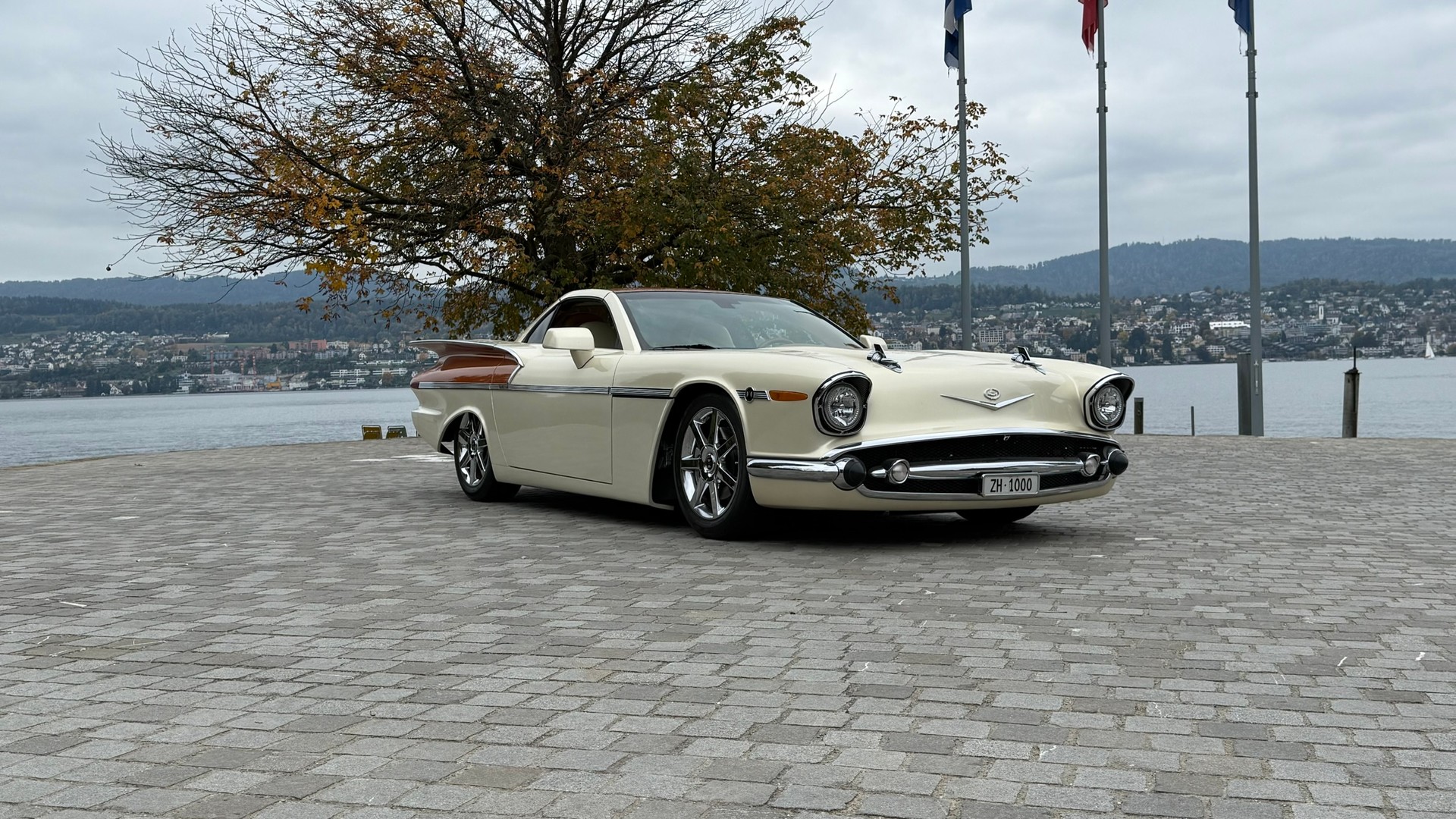
A retractable-hardtop interpretation on Cadillac’s sophisticated performance-roadster architecture.
ACTUAL VEHICLE · ENHANCED PHOTOGRAPHTHE LATER ITERATION
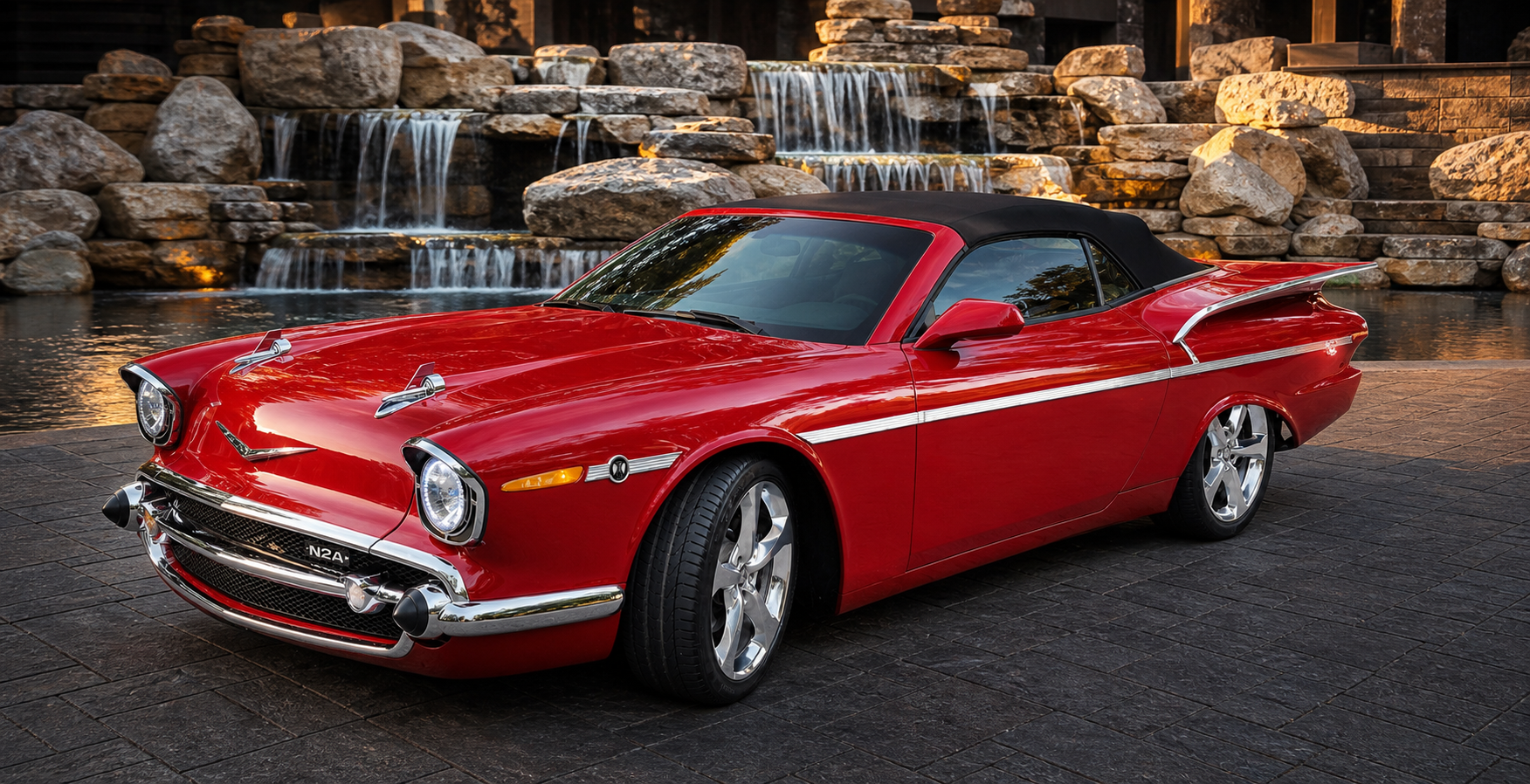
Gene stripped a new Camaro to its chassis, shaped the body with 1,500 pounds of modeling clay, then built the finished surfaces in carbon fiber interlayered with GFRP. The project demanded more than 5,000 hours.
Each photograph shows an actual 789 example from its platform family. Published specifications varied by donor vehicle, customer configuration, and production iteration. XLR example imagery and listing data: AutoScout24 Switzerland.
05 / THE REGISTRY
LIVING PRODUCTION RECORD
Because “No Two Alike” was built into the company’s identity, every known 789 deserves its own record. The registry will distinguish confirmed factory data from published reports, owner recollections, and fields still awaiting evidence.
The founding record is Prototype 001, the only C5-based 789 and the only coupe ever produced.

Vehicle
N2A Motors 789Prototype No. 001Coachbuilder: N2A MotorsFounder-built composite bodyPowertrain
5.7L LS6 V8405 horsepower400 lb-ftTremec T56 6-speed manualRear-wheel driveChassis
2003 Corvette Z06Independent Z06 suspensionFour-wheel power disc brakes with ABSPower rack-and-pinion steeringProvenance
The development carOnly C5-based 789Only 789 coupeFounder-ownedGene’s personal show carCustom True Fire finishFuture registry fields
Build numberDonor VINCompletion dateBody colorsInteriorEngineOriginal ownerCurrent statusProvenance06 / VIDEO ARCHIVE
GENE AND THE 789 ON FILM
Period television, interviews, and surviving footage let the people and cars speak for themselves, from Danny Koker’s close look at the 789 to Gene’s own account of building extraordinary machines.
Danny Koker meets Gene and the N2A 789.
Gene’s story, the coachbuilding program, and Vin DeBona’s 789.
A long-form interview on design, engineering, and American vehicle production.
07 / THE BUILDER
GENE LANGMESSER
DESIGNER · ENGINEER · BUILDER
Gene Langmesser built a career in the demanding distance between a sketch and a moving vehicle. Detroit discipline, German engineering, Hollywood scale, and American coachbuilding all met in his work.
For the 789, Gene led the program, engineering, development, and physical realization with Fred Kanter and the Kanter Concepts / N2A team. Terrence Robinson created the exterior concept rendering. The collaboration is part of the achievement, and part of the record this archive exists to preserve.
WATCH GENE’S STORY ↗“The legend is not that Gene imagined extraordinary cars. It is that, again and again, he knew how to make them exist.”
08 / THE 789 ARCHIVE
FIRST EDITION
A legendary car deserves a real archive. Contemporary reports, interviews, and project records preserve what was designed, who did the work, how it was built, and how the story changed over time.